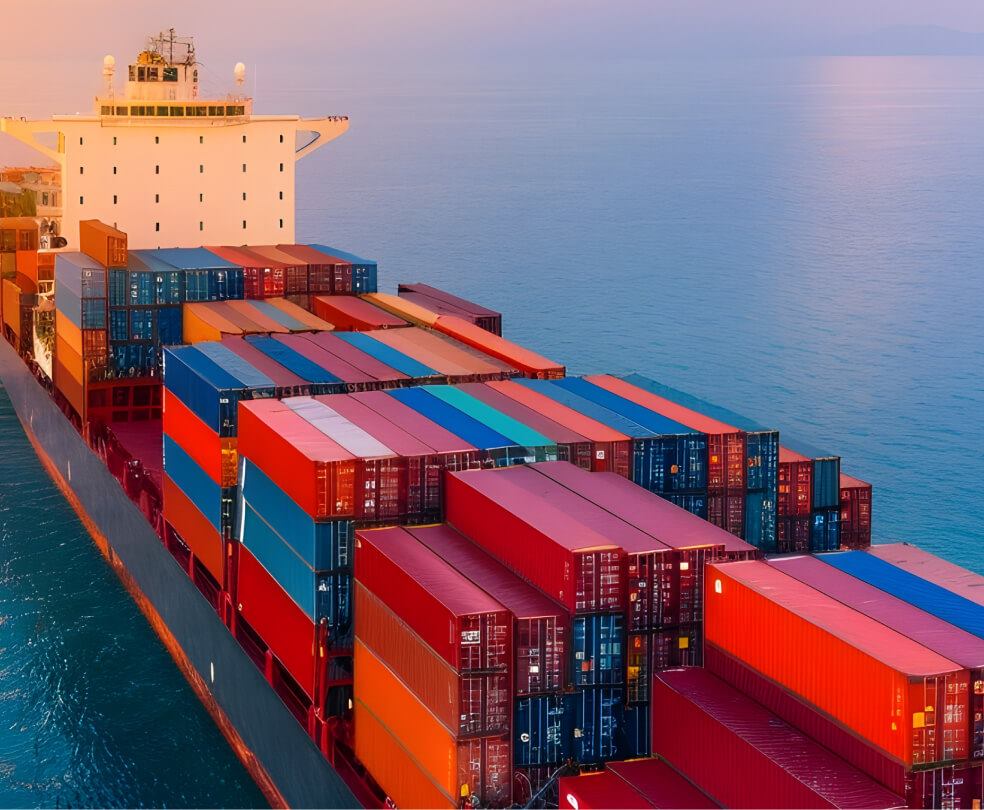
The past several years have put Indian supply chains through more disruption than the previous two decades combined — a global pandemic, shipping bottlenecks, fluctuating fuel costs, and regional disruptions that rippled through freight networks with little warning. Watching which supply chains held up and which didn't has been an instructive experience for anyone in this industry.
Single points of failure are the real risk
The businesses that struggled most were typically the ones relying on a single mode of transport, a single route, or a single logistics vendor with no fallback. When that one link broke — a port closure, a route disruption, a vendor capacity shortage — there was no alternative to fall back on. Resilience isn't about predicting every disruption; it's about not having your entire supply chain depend on any one thing working perfectly.
Diversification is worth the coordination cost
Businesses that used a mix of road, rail, and where relevant, coastal or air options weathered disruptions considerably better than those locked into one mode. The same applies to distribution — a network of regional warehouses proved more resilient than a single central facility when regional disruptions hit. This flexibility does add coordination complexity, but that cost is small compared to the cost of a supply chain that simply stops.
Visibility turns disruption into a manageable problem
Businesses with real-time shipment tracking could react to delays as they happened — rerouting, adjusting production schedules, or communicating proactively with their own customers. Businesses without that visibility often didn't know a problem existed until it had already become a crisis. In hindsight, the investment in tracking and communication infrastructure paid for itself many times over during periods of disruption.
What this means going forward
Resilience isn't a one-time fix; it's an ongoing discipline of not over-concentrating risk in any single mode, route, vendor, or facility. At Sangharsh India Logistics, this thinking now runs through how we structure our own network — 21+ branches, multiple transport modes, and redundancy built in deliberately rather than assumed. The businesses we work with that have adopted the same mindset in their own supply chain planning have consistently proven more stable through the disruptions of recent years, and that pattern is one worth taking seriously regardless of what the next disruption turns out to be.