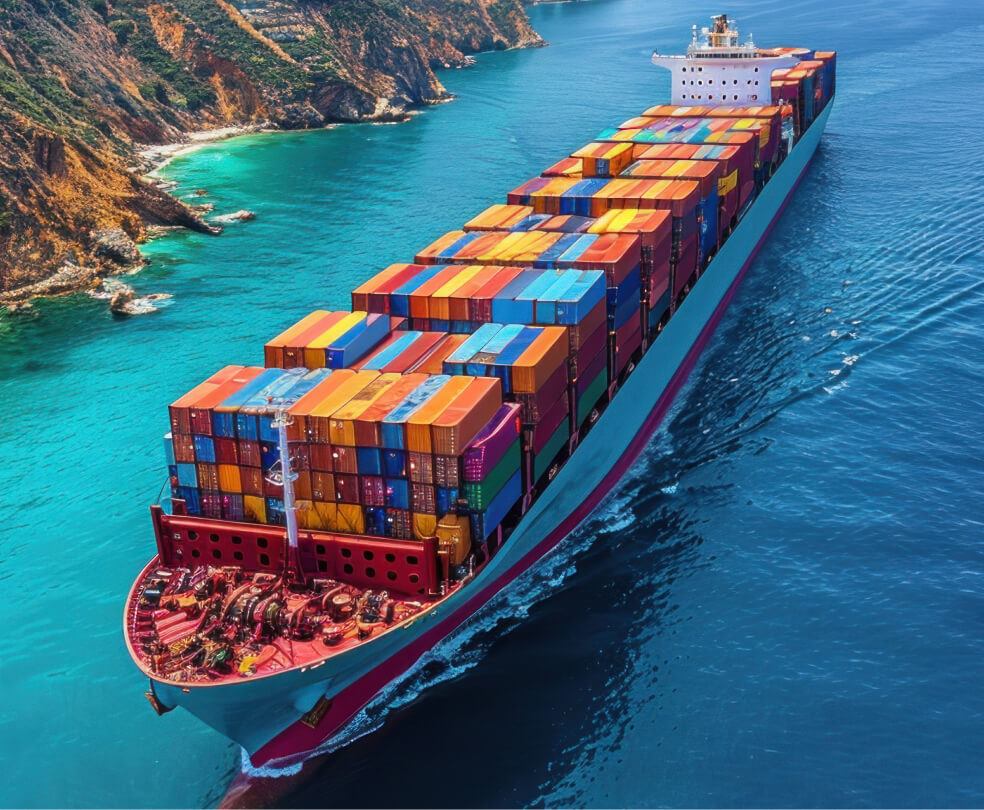
A decade ago, tracking a shipment usually meant calling the driver and asking where they were. Today, GPS-enabled fleet tracking and telematics have made that phone call largely unnecessary — and customer expectations have shifted accordingly. Real-time visibility isn't a premium feature anymore; it's close to a baseline requirement for any logistics partner.
What telematics actually captures
Modern fleet telematics goes well beyond a blinking dot on a map. Devices installed in vehicles report live GPS location, speed, route adherence, halts, and in more advanced setups, fuel consumption and driver behaviour. Combined with software that maps this data against planned routes, it lets a logistics team spot delays as they happen rather than after a customer calls to ask where their shipment is.
Why this matters more than it might seem
Visibility changes how supply chains plan. A manufacturer that knows a raw material shipment is running four hours late can adjust production scheduling instead of discovering the delay when the truck simply doesn't show up. A retailer can give customers an accurate delivery window instead of a vague date range. The value isn't just knowing where a shipment is — it's being able to act on that information before a delay becomes a problem.
Geofencing and automated alerts
One of the more practical advances has been geofencing — setting virtual boundaries around origins, destinations, or key checkpoints that automatically trigger alerts when a vehicle enters or exits. This removes the need for manual status checks and creates a reliable audit trail of exactly when a shipment left, transited, and arrived, which matters for both customer communication and internal performance tracking.
Where this is heading
The next step beyond location tracking is predictive ETAs that account for live traffic, weather, and historical route patterns, and electronic proof of delivery (e-POD) that closes the loop digitally the moment goods are handed over. At Sangharsh India Logistics, our tracking systems already give customers real-time status through our website's Track & Trace tool, and we continue to invest in the infrastructure — both technology and the connectivity to support it across 21+ branches — to make shipment visibility a given rather than something customers have to ask for.