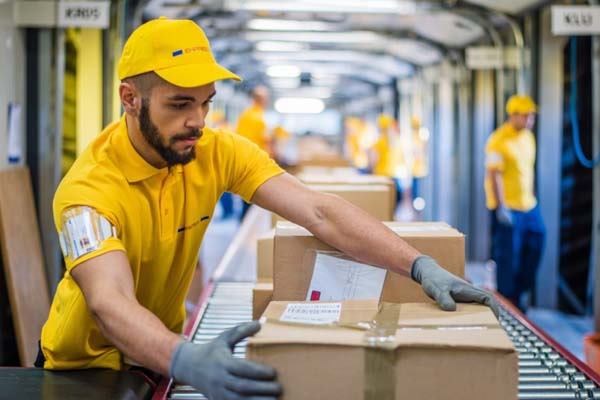
Across most supply chains, the final leg of delivery — from a regional hub or warehouse to the actual customer or site — is disproportionately expensive and difficult relative to the distance it covers. In India, this "last mile" problem is amplified by geography, infrastructure variability, and rapidly rising customer expectations around delivery speed.
Why last-mile is structurally harder
Long-haul freight benefits from scale — one truck, one route, one large shipment. Last-mile delivery is the opposite: many smaller drops, each requiring its own navigation, often to addresses that aren't always precisely mapped or easily accessible by larger vehicles. This combination of low volume per stop and high routing complexity is what makes the last mile consistently the costliest segment per kilometre in most delivery networks.
India-specific challenges
Address standardisation remains inconsistent in many parts of the country, particularly outside major metros, which complicates route planning and delivery confirmation. Traffic congestion in urban centres and road quality variability in smaller towns and rural areas both affect delivery time predictability. And as e-commerce demand has expanded well beyond metro cities into tier-2 and tier-3 towns, delivery networks have had to extend into areas where the supporting infrastructure — from road quality to reliable delivery personnel networks — is less mature than in established urban markets.
How the industry is adapting
Regional and local distribution hubs positioned closer to end customers have become a standard response, shortening the actual last-mile distance rather than trying to solve the routing complexity from a distant central warehouse. Real-time tracking and delivery confirmation — including electronic proof of delivery — has also become standard, both to manage customer expectations with accurate delivery windows and to create accountability when something goes wrong.
What good last-mile execution actually requires
It's less about any single technology and more about disciplined local operations — a distribution network positioned close enough to customers, reliable local delivery coordination, and the ability to communicate accurate status rather than optimistic estimates. At Sangharsh India Logistics, our warehousing and distribution network is built with this in mind: positioning stock close to where it needs to go, rather than treating last-mile delivery as an afterthought to a long-haul shipment.