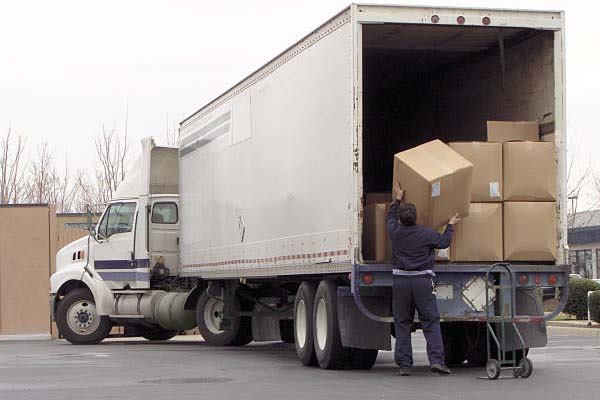
One of the first decisions in planning a road shipment is whether it needs a Full Truck Load (FTL) or a Less Than Truck Load (LTL) service. The two aren't interchangeable, and picking the wrong one is one of the most common ways businesses overpay for freight.
What separates the two
FTL means one consignor's cargo fills an entire vehicle, which moves directly from pickup to delivery with no intermediate stops. LTL means your shipment shares space in a truck with other consignments, typically routed through one or more transshipment points before reaching its destination.
When FTL makes sense
If your shipment is large enough to fill most of a truck — generally above 8–10 tonnes for a standard vehicle — FTL is almost always the more economical and safer choice. Direct routing means fewer handling touchpoints, which matters for fragile, high-value, or time-critical cargo. It also gives full visibility: one truck, one consignment, one set of transit milestones.
When LTL makes sense
Smaller shipments that don't justify an entire vehicle benefit from LTL's shared-cost model. You pay for the space you use, not the whole truck, which materially lowers the cost per shipment for regular, smaller-volume dispatch. The trade-off is longer transit time, since the vehicle may make several stops, and slightly more handling as goods are loaded and unloaded at consolidation points.
A simple way to decide
Ask three questions: How much volume are you moving? How time-sensitive is it? How much handling can the cargo tolerate? High volume, urgent, or fragile shipments point toward FTL. Smaller, regular, less time-critical volumes are usually better served by LTL, or by consolidating multiple LTL shipments into a scheduled FTL run once volumes justify it.
Most businesses that move goods regularly end up using both models at different points in their supply chain — FTL for bulk replenishment runs, LTL for smaller, more frequent dispatches. A logistics partner that can flex between the two, rather than pushing one model regardless of shipment size, is usually the one saving you the most over a full year of shipping.