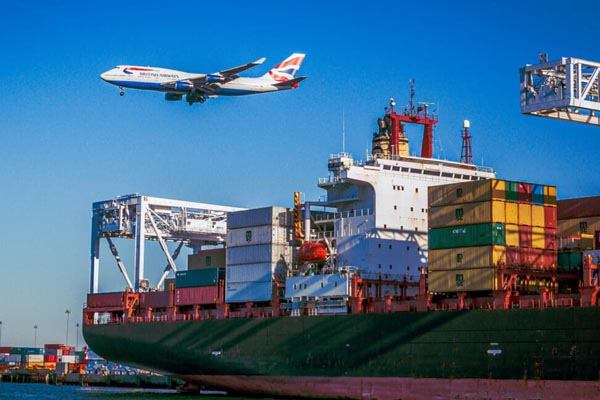
International shipping involves more moving parts than most businesses realise until they try to manage it directly — carrier bookings, customs documentation, port and airport handling, inland transportation on both ends, and compliance with import/export regulations that vary by country and commodity. Freight forwarding exists to manage that complexity on a client's behalf.
What a freight forwarder actually does
A forwarder doesn't typically own ships, aircraft, or in most cases even the trucks involved — their value is coordination. They book cargo space with carriers, arrange the necessary documentation and customs clearance, coordinate inland transport to and from ports or airports, and act as a single point of contact managing all of it, rather than a business having to independently manage a shipping line, a customs broker, and separate trucking companies on each end.
Why documentation is where most delays happen
International shipments live or die on paperwork — commercial invoices, packing lists, certificates of origin, bills of lading, and commodity-specific compliance documents. A single error or omission can hold a shipment at customs for days, which is often more costly than any transport delay. Experienced freight forwarders build documentation checks into their process specifically because this is where inexperienced shippers most often lose time and money.
Multimodal coordination
Most international shipments combine multiple modes — road to a port, sea or air for the international leg, then road again to final delivery. A forwarder's job is making sure these handoffs happen smoothly, with cargo custody, insurance, and responsibility clearly defined at every transition point, so nothing falls into a gap between two providers who each assume the other is handling it.
The real value proposition
For a business without dedicated in-house logistics expertise, a good freight forwarder is effectively an extension of their supply chain team — someone who understands routing options, carrier reliability, and regulatory requirements well enough to make decisions the business itself doesn't have the specialised knowledge to make efficiently. At Sangharsh India Logistics, our freight forwarding services are built around exactly that: being the single coordinating point so a client deals with one partner, not a dozen vendors, for cargo moving across borders.