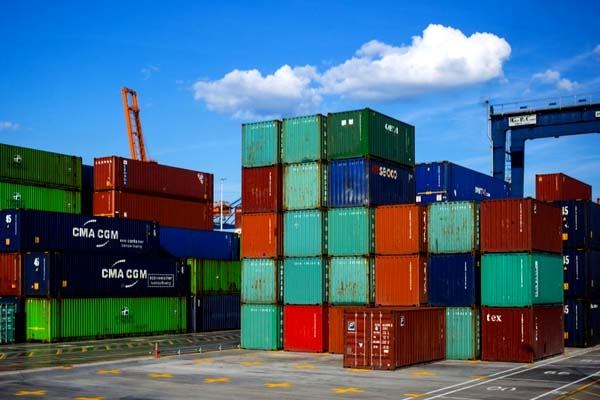
Eastern India doesn't always get the same logistics attention as the western and southern industrial belts, but the region — anchored by Kolkata, Bhubaneshwar, Guwahati, Jamshedpur, and Patna — sits at the intersection of some of the country's heaviest industries and its gateway to the Northeast and neighbouring countries.
What makes this corridor distinct
The region is home to significant steel, coal, and heavy engineering capacity, particularly around Jamshedpur and the broader industrial belt spanning Jharkhand, Odisha, and West Bengal. This concentration of heavy industry generates consistent, high-volume freight demand — exactly the kind of cargo that benefits most from rail and multimodal transport rather than road alone.
Kolkata's role as a gateway
Kolkata's port remains a crucial link for eastern and northeastern India's trade, connecting the region's industrial output to coastal shipping routes and international trade lanes. For businesses in the interior of the region, efficient road and rail connectivity into Kolkata's port infrastructure is often the deciding factor in whether coastal or international shipping is a viable option at all.
The Northeast connection
Guwahati serves as the primary logistics hub connecting the broader Northeast to the rest of the country's freight network. Given the region's geography — largely dependent on a narrow land corridor for connectivity — reliable logistics through Guwahati matters disproportionately for businesses operating in or supplying the Northeast, where transport options are inherently more limited than in most of the country.
Why this region needs specialised local knowledge
Terrain, seasonal weather patterns, and infrastructure variability across this corridor mean that generic pan-India routing doesn't always translate well here. A logistics partner with dedicated regional presence and local operational knowledge — understanding which routes hold up during monsoon season, which rail connections are most reliable, and how to sequence multimodal handoffs specific to this geography — consistently outperforms one applying the same playbook used elsewhere in the country. That regional specificity is exactly what our East Zone operations are built around, coordinating branches across Kolkata, Guwahati, Patna, Bhubaneshwar, and Jamshedpur as one connected network rather than five separate outposts.