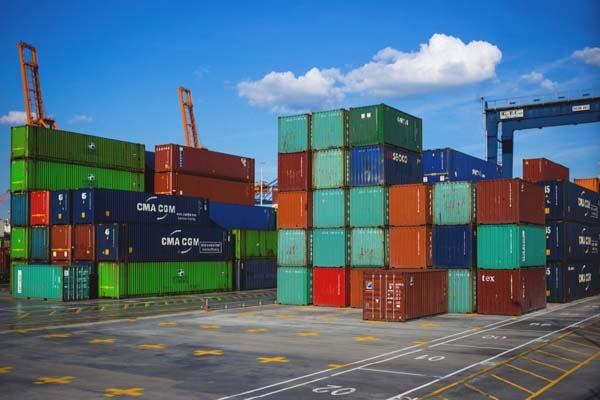
India's coastline runs roughly 7,500 kilometres, touching nine states and hosting a chain of major and minor ports. A large share of the country's heavy industry — steel, cement, petrochemicals, fertiliser — is concentrated near this coastline. Despite that geography, coastal shipping still carries a small fraction of India's domestic freight compared to road and rail. That gap represents a real, underused opportunity for businesses moving bulk cargo along the coast.
Why the cost case is strong
Ship transport is, tonne for tonne, the most fuel-efficient way to move bulk cargo over distance. For businesses shipping heavy, non-urgent commodities between coastal industrial hubs — say, from a Gujarat port to a facility near Chennai or Vizag — coastal shipping can undercut road and even rail on a per-tonne basis, particularly for cargo that doesn't need to move quickly.
What's held it back
Coastal shipping has historically suffered from longer transit times, less frequent sailings compared to road departures, and additional port handling at both ends. For urgent or smaller shipments, those factors outweigh the cost savings. It has also required more logistics coordination than simply booking a truck, which kept many mid-sized businesses from exploring it.
What's changing
Port modernisation and dedicated coastal shipping policy support over the past decade have gradually improved turnaround times at Indian ports and made coastal routes more commercially viable. For industries already located near a port — which describes a meaningful share of India's heavy manufacturing base — the case for coastal shipping keeps strengthening as these improvements compound.
Who should be looking at it
Coastal shipping is best suited to planned, high-volume, weight-heavy cargo where transit time is flexible: raw material inbound for a factory, finished bulk goods moving to a distant regional market, or inter-plant transfers between coastal manufacturing sites. Across our South Zone operations, we coordinate coastal movements alongside road and rail specifically for clients in steel, cement, and heavy industry who have the volume and the schedule flexibility to make the cost savings meaningful. It's rarely the right fit for urgent, time-critical freight — but for the cargo it does suit, it's often the most overlooked lever a business has for reducing logistics spend.