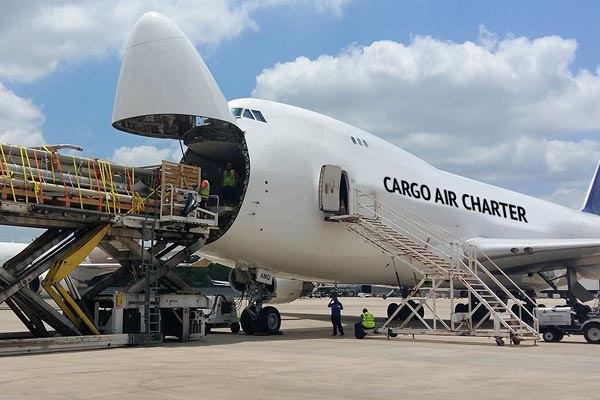
Air cargo can cost anywhere from five to ten times more than sea freight for the same shipment, which makes the default answer for most businesses shipping internationally or across long domestic distances "use the cheaper option." But that framing misses the point — the real question isn't which mode costs less, it's which mode costs less once you account for what the delay actually costs your business.
What air cargo is actually paying for
The premium buys speed and reliability of schedule. A shipment that takes weeks by sea can move in days by air, and air cargo schedules are generally more predictable than ocean freight, which can be affected by port congestion, customs delays, or weather in ways that compound over a longer transit window.
When the premium is worth it
Time-sensitive cargo is the clearest case — perishables, pharmaceuticals with limited shelf life, or components needed to keep a production line running. High-value, low-weight goods, like electronics or precision instruments, often make sense for air freight because the cost premium as a percentage of total shipment value is smaller than it looks on a per-kilogram basis. And genuinely urgent shipments, where a stockout or missed deadline costs more than the freight difference, are almost always better served by air.
When sea freight is the better call
Bulk, heavy, low-value-per-kilogram cargo with flexible timing is where sea freight's economics dominate — raw materials, industrial components, or finished goods being restocked on a planned schedule rather than an urgent one. For these shipments, the cost difference between modes is large enough that speed simply isn't worth paying for.
A practical way to decide
Calculate what a delay actually costs — lost sales, a stalled production line, contractual penalties — and compare that to the price difference between air and sea for the shipment. If the cost of being late exceeds the air freight premium, air is the economically rational choice, not just the fast one. Across our Air Cargo and Coastal Shipping services, we help clients make that calculation shipment by shipment rather than defaulting to one mode out of habit, because the right answer genuinely changes based on what's being shipped and why.